Why do I become a completely different person before my period?
Mood swings, irritability, tears for no reason, anxiety: emotional changes before your period are part of premenstrual syndrome (PMS). Here's what's actually happening in your body — and what can help.

In this article
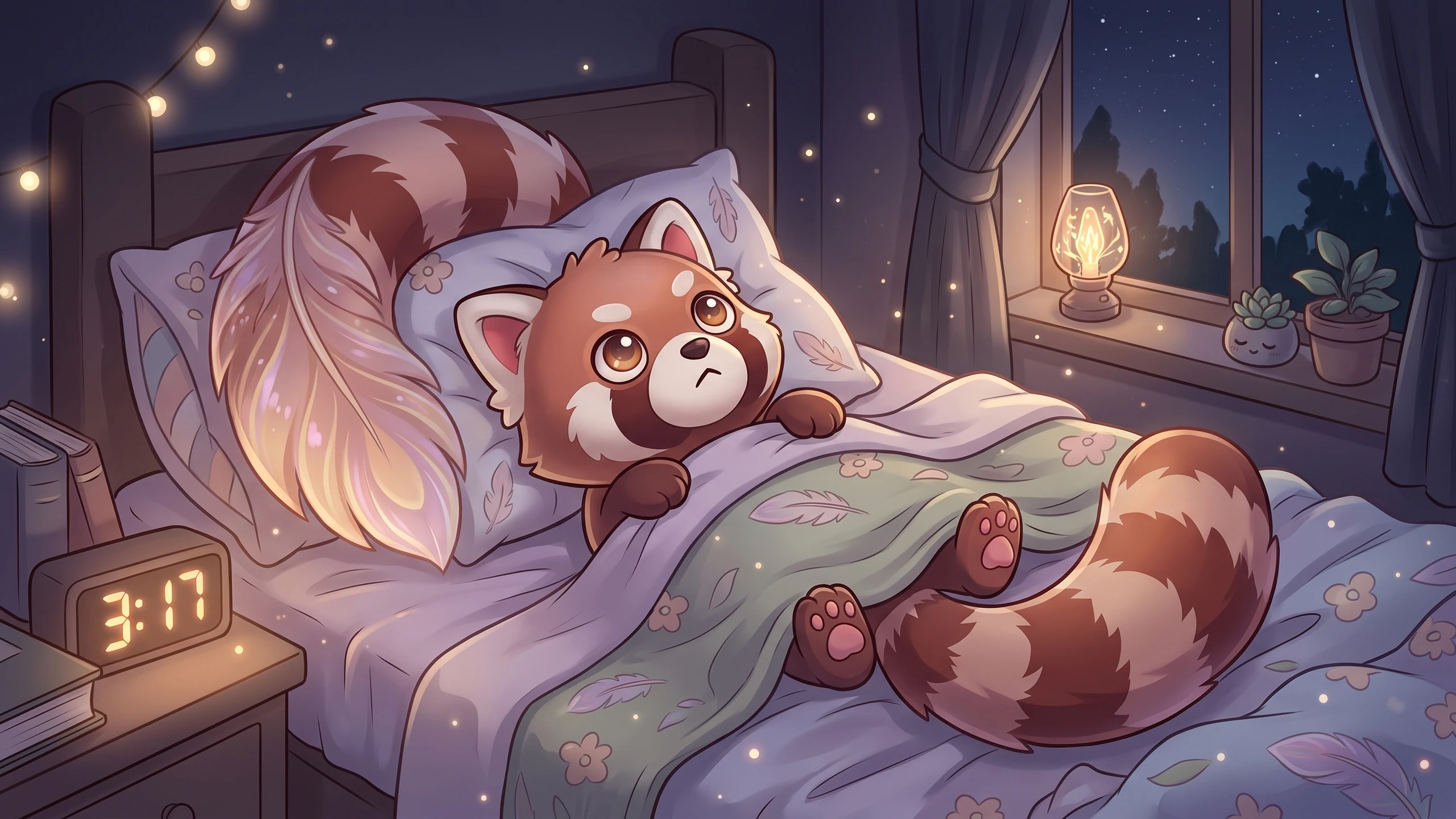
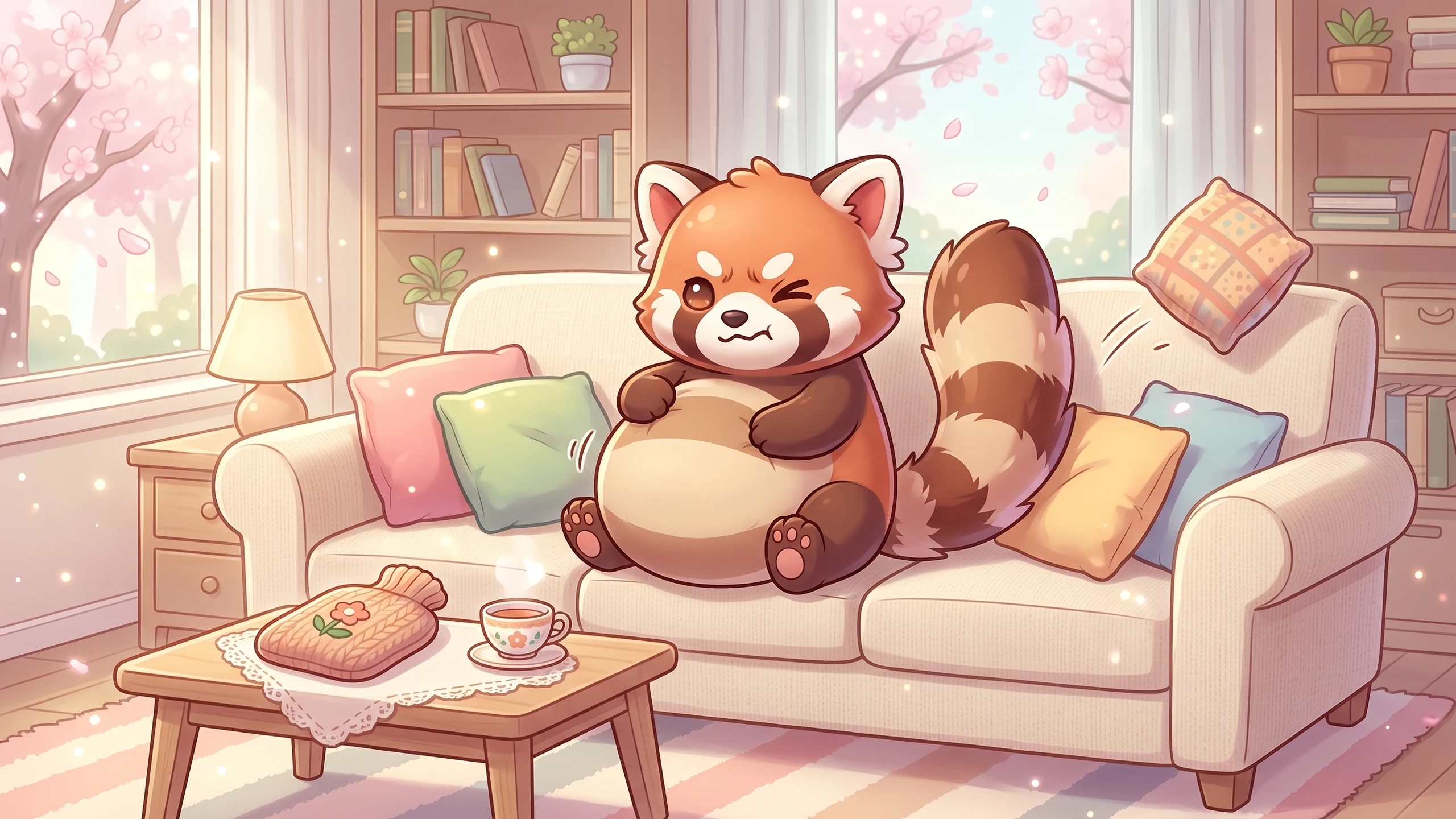
You feel completely like yourself, and then, a few days before your period, you're crying over nothing, snapping at something trivial, or feeling a vague anxiety with no clear cause. This is one of the most common symptoms of premenstrual syndrome (PMS): mood changes in the days or weeks leading up to your period.
What's happening in your body
PMS is directly linked to the hormonal fluctuations of the menstrual cycle. The NHS notes that these mood changes are thought to result from hormonal shifts occurring before a period — but it also honestly acknowledges that we don't yet fully understand why some people are more sensitive to them than others.
The phase responsible is called the luteal phase: the period between ovulation and the start of your period. Ameli.fr describes how, after ovulation, the corpus luteum produces progesterone, and then its levels drop sharply if the egg is not fertilised. It's in this context of falling hormones that premenstrual symptoms appear — and they generally disappear once your period begins.
In other words: it's not "all in your head", but it's also not entirely explained by science at this point. The good news is that it doesn't last.
What do the emotional symptoms of PMS actually look like?
The NHS lists the most common symptoms as: mood swings, low mood or irritability, feeling anxious or on edge, and fatigue or sleep disturbances. Ameli.fr similarly cites nervousness and mood changes as typical warning signs that a period is on the way.
In practice, this can look like:
- impatience or anger flaring up faster than usual
- sudden tears over something minor
- heightened sensitivity to other people's comments
- a vague, free-floating anxiety with no obvious trigger
These symptoms vary from month to month and from person to person — that's normal. They don't define your personality or your general health.
Does everyone experience this?
No. Ameli.fr makes clear that premenstrual signs affect some people at every cycle, not everyone across the board. The NHS confirms that most people who menstruate will experience PMS at some point, but that every experience is different.
A minority of people go through a much more intense version: PMDD (premenstrual dysphoric disorder). The NHS describes it as similar to PMS but significantly more severe, with a major impact on daily life, work, and relationships. If you're experiencing very dark thoughts or suicidal ideation before your period, speak to a doctor promptly — this is not something to go through alone.
What can help
The NHS recommends several lifestyle adjustments to ease symptoms:
- Moving regularly — physical activity can help regulate mood. If you want to understand how the cycle affects your energy levels during exercise, the article Why am I wiped out when working out before my period? goes into this in detail.
- Getting enough sleep — sleep disturbances make irritability worse.
- Eating little and often — having smaller meals every 2 to 3 hours can help stabilise blood sugar levels and, with them, mood fluctuations.
- Reducing stress — yoga, meditation, or whatever genuinely helps you wind down.
- Cutting back on alcohol and smoking — the NHS advises against both during this phase.
These aren't guarantees, but they're worth trying. Some people notice an improvement, others less so — and it's useful to track what actually works for you.
When symptom tracking becomes useful
The NHS recommends keeping a symptom diary for at least two cycles before a medical appointment. This helps confirm that mood changes are genuinely tied to a specific phase of the cycle — and not something else entirely. Plumm lets you log your symptoms throughout your cycle so you can spot these patterns without having to remember everything.
When to see a doctor
If emotional symptoms are genuinely disrupting your daily life — your relationships, work, or sleep — talk to a doctor. Ameli.fr is clear on this: treatment is available when symptoms are significant. The NHS notes that options exist, ranging from lifestyle changes to hormonal treatments or cognitive behavioural therapy, depending on severity. This is not something you have to simply put up with in silence.