Why Am I Exhausted Before My Period?
Crashing hard in the days before your period is a classic PMS symptom. Late-cycle hormone fluctuations disrupt your sleep and drain your energy — and there are practical things you can actually do about it.
In this article
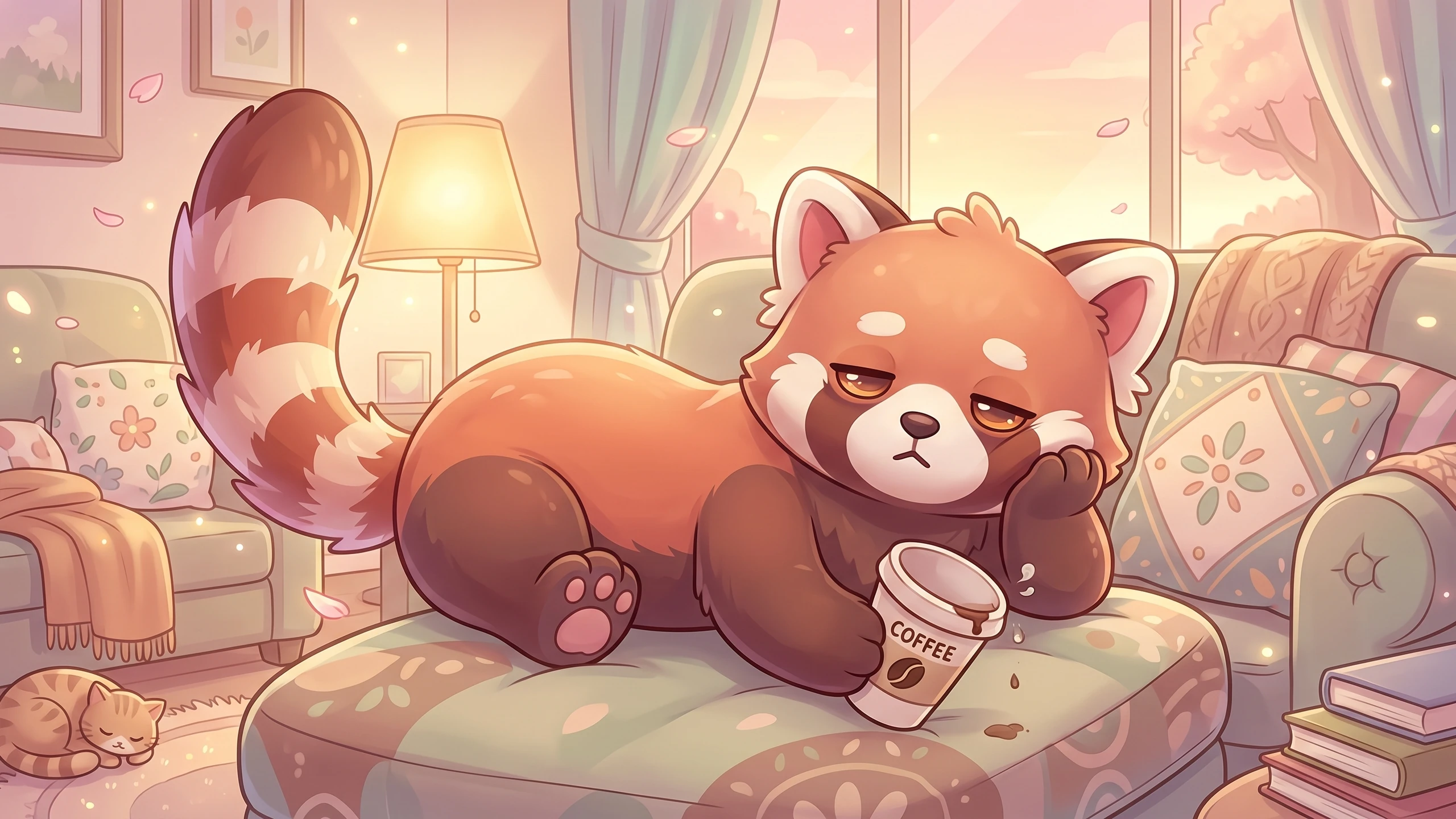
You're running on empty by mid-week before your period — glued to the sofa by 7 pm, coffee doing absolutely nothing, zero motivation. It's one of the most common symptoms of premenstrual syndrome (PMS). It's not a sign that something serious is wrong, but it deserves a clear explanation.
What's happening in your body
PMS covers the symptoms that appear in the days or weeks leading up to your period. According to the NHS, fatigue and sleep disturbances are among the most common — alongside bloating, headaches, and changes in appetite.
What triggers it all? The hormonal shifts at the end of your cycle. After ovulation, oestrogen and progesterone levels rise and then drop sharply if pregnancy doesn't occur. The NHS notes that PMS is thought to be linked to these hormonal changes across the menstrual cycle, even though the exact mechanisms aren't yet fully understood.
What is clear is that this energy slump doesn't come out of nowhere: it's part of a broader set of cyclical physical and emotional signals — like bloating or headaches — that return in the same way every cycle.
Why poor sleep makes it worse
Among the PMS symptoms listed by the NHS, sleep disturbances often go hand in hand with fatigue: trouble falling asleep, waking during the night, unrefreshing sleep. The result: you go to bed already exhausted, sleep badly, and wake up feeling even more drained.
It's a classic vicious cycle in the premenstrual phase — not a personal weakness, just a physiological response worth paying attention to.
What to look out for
Before trying to do anything about it, it helps to confirm that the fatigue is actually linked to your cycle. A few things worth noting:
- Timing: does the exhaustion consistently arrive in the 1 to 2 weeks before your period, then ease off once it starts?
- Sleep quality: do you sleep noticeably better or worse during those days?
- Other signals: do you also notice food cravings, a shift in mood, or breast tenderness at the same time?
The NHS recommends keeping a symptom diary for at least two full cycles, which you can then share with a doctor if needed.
What can help day to day
The NHS's suggestions for easing PMS symptoms are straightforward and don't require a prescription:
- Exercise regularly, even gently — a walk is enough.
- Eat a balanced diet: spreading meals every 2 to 3 hours can help keep your energy steadier, rather than eating too little and snacking.
- Get enough sleep — and if sleep is disrupted during those days, reminding yourself it's temporary can help you avoid catastrophising.
- Cut back on alcohol and tobacco, which can make symptoms worse according to the NHS.
- Manage stress: yoga, slow breathing, or simply giving yourself permission to do less during those days.
These approaches won't eliminate premenstrual fatigue, but they may take the edge off. They're not magic, and their effects vary from person to person.
When to talk to a doctor
PMS-related fatigue is very common and usually nothing to worry about. But if this exhaustion is regularly stopping you from living your normal life — work, social plans, everyday tasks — month after month, that's a good reason to bring it up. The NHS notes that some people experience a more severe form of PMS called premenstrual dysphoric disorder (PMDD), with significantly heavier symptoms. A doctor can point you towards the right options.
Ameli.fr also highlights that fatigue can accompany very heavy or anaemia-causing periods: if you bleed a lot and feel persistently exhausted — including outside of your premenstrual window — that's worth getting checked out.
Plumm lets you log your fatigue day by day and spot whether it keeps coming back at the same point in your cycle — useful for working out whether it really is PMS or something else, and for going to an appointment with concrete data in hand.