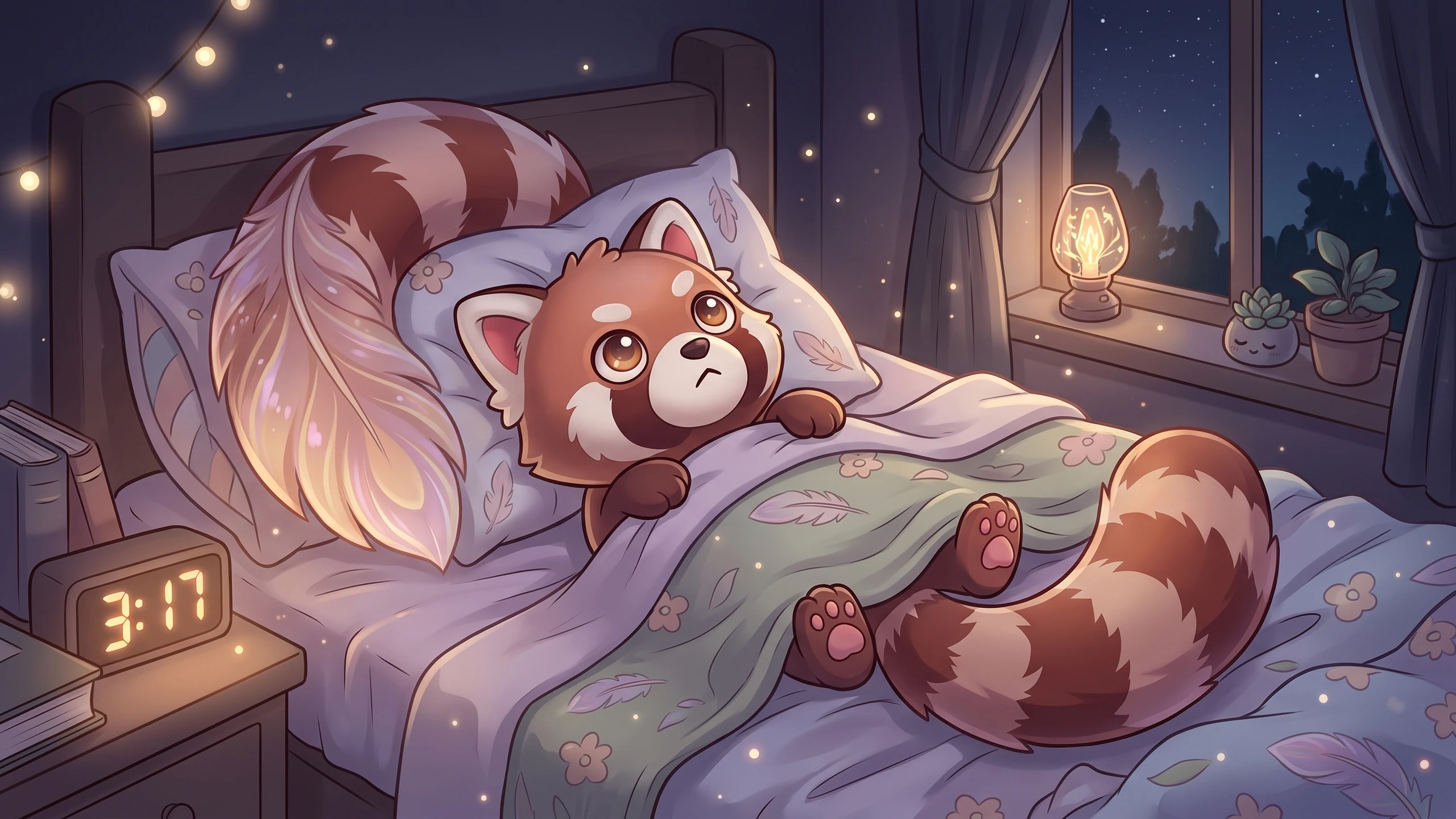
Why Do I Get a Splitting Headache Before My Period?
Throbbing temples, a dull ache that won't quit, a migraine that arrives right on cue before your period… it's not a coincidence. Premenstrual headaches are part of PMS and are very likely tied to hormonal fluctuations across the cycle. Here's what we actually know — and what might help.
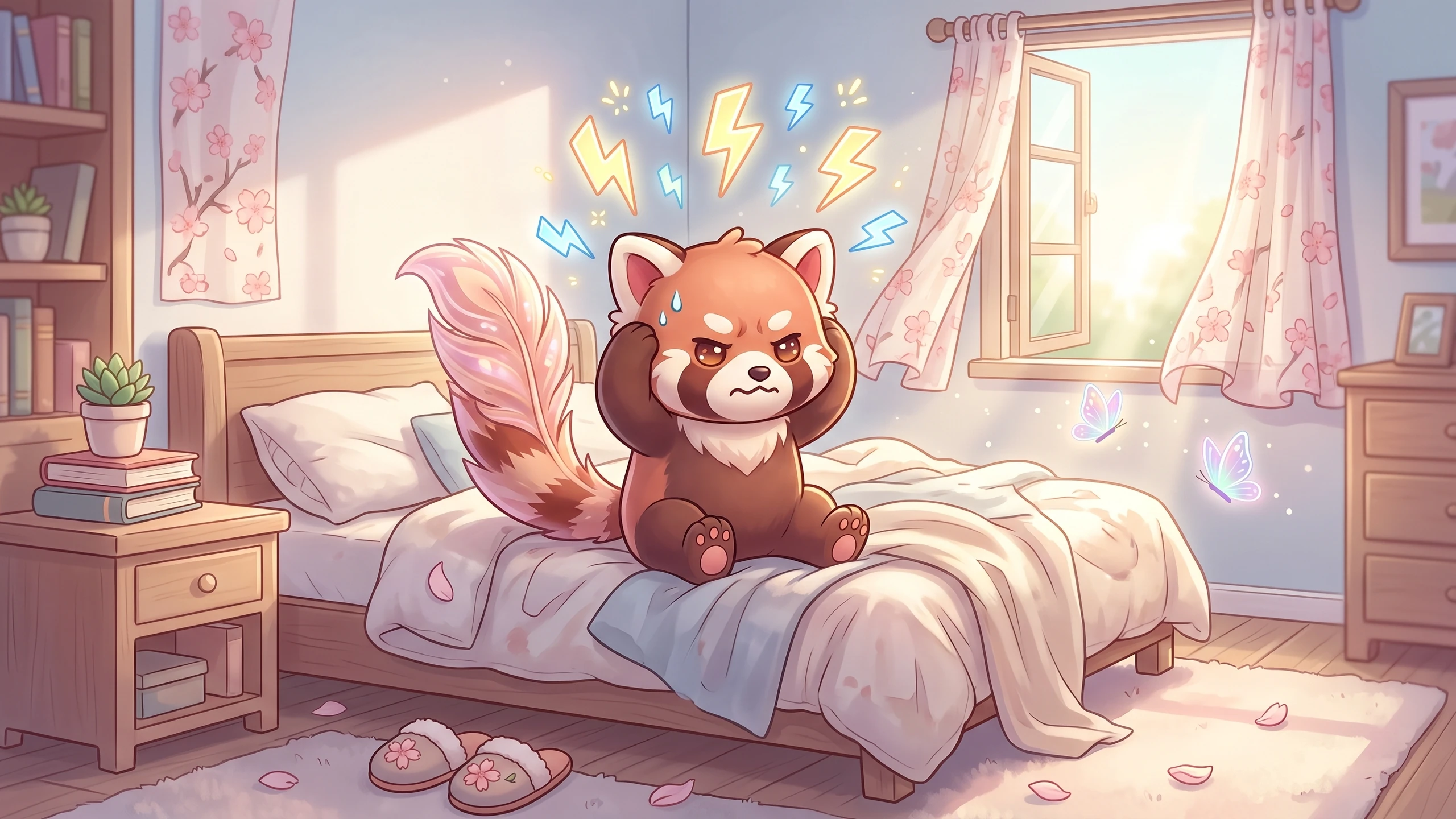
In this article
You've been feeling fine for a week, and then — bang: a migraine hits, or that low-level, persistent ache settles in at the back of your skull and refuses to leave. Two days later, your period starts. Coincidence? Rarely.
Headaches are on the official list of premenstrual syndrome (PMS) symptoms — the collection of physical and emotional complaints that show up in the second half of the cycle, between ovulation and the start of your period. The NHS lists them among the most common signs, alongside bloating, breast tenderness and irritability. And like most PMS symptoms, they're probably connected to hormonal shifts across the cycle.
Your cycle, your hormones, and your head
During the second half of the cycle (the luteal phase), oestrogen and progesterone levels fluctuate significantly. Just before your period, both hormones drop sharply. This hormonal movement is thought to play a role in triggering PMS — though the exact mechanism hasn't been fully worked out.
The NHS puts it plainly: it's not known exactly why some people develop PMS, but it may be related to hormonal changes during the menstrual cycle, and some people are more sensitive to those changes than others. Premenstrual headaches fit into this picture: they tend to be cyclical, often landing on the same days from one cycle to the next, and they usually ease off with or shortly after the start of your period.
That rhythmic quality is itself a useful clue. If your headache reliably comes back at the same point in your cycle, it's reasonable to link it to that stage of the luteal phase — even if other factors (poor sleep, stress, dehydration) can make the pain worse.
It's not necessarily a "proper migraine"
Headache and migraine aren't quite the same thing, and before your period, either is possible.
Some people feel a diffuse, heavy pressure; others get a more intense, pulsing pain — sometimes with nausea or sensitivity to light — which looks more like a classic migraine. There's even a clinically recognised form called menstrual migraine, which tracks with hormonal changes in the cycle. If your episodes are intense, regular and disruptive, it's worth raising with a doctor: specific approaches exist.
What can help day to day
The NHS highlights several adjustments for PMS symptoms in general, and some are directly relevant to headaches:
- Eat regularly — small amounts every two to three hours rather than large, widely spaced meals. Low blood sugar is a classic headache trigger, and it can be more pronounced during the luteal phase.
- Get enough sleep — the NHS recommends seven to eight hours a night. The link between sleep deprivation and headaches is well established, independently of the cycle.
- Stay hydrated — dehydration is one of the easiest triggers to avoid.
- Cut back on alcohol and stimulants — too much caffeine, alcohol, and even certain foods (aged cheeses, cured meats) can amplify headaches, especially if you're already prone to them.
- Manage stress — yoga, breathing exercises, meditation: the NHS explicitly names these as non-medication approaches to PMS.
For the pain itself, paracetamol or ibuprofen (if you can take them) are mentioned by the NHS as options for relieving PMS symptoms. Don't take any medication without medical advice if you have a history of relevant conditions, contraindications, or are already on other treatments.
Spotting the pattern so you can act
One practical, concrete step: keep a symptom diary for at least two cycles, logging your headaches as they happen. This lets you see whether the pattern really is cyclical, when it starts, and how intense it gets. The NHS recommends this approach for anyone who thinks they may have PMS, precisely because symptoms vary from month to month and from person to person.
On Plumm, you can log symptoms day by day and see where they fall in your cycle — useful for spotting this kind of regularity, and for having something specific to bring to your doctor if you decide to make an appointment.
When to see a doctor
If your premenstrual headaches:
- are very intense or are disrupting daily life (work, activities, relationships),
- don't respond to standard painkillers,
- or come alongside other symptoms that worry you,
see a doctor. PMS treatments do exist — both medication-based and otherwise — and can be tailored to what you're actually experiencing. There's no reason to just push through every month if it's genuinely affecting you.