Why Am I So Hungry Before My Period?
Chocolate, chips, sugar on repeat… Intense food cravings before your period are a classic symptom of premenstrual syndrome (PMS). Here's what's happening in your body during the luteal phase, why certain foods call to you more than others, and how to navigate it without guilt.

In this article
The cravings that spiral in the days before your period — one square of chocolate turning into the whole bar, hunger that lingers even after eating, an irresistible pull toward sweet or salty foods — have nothing to do with willpower. They're one of the recognised symptoms of premenstrual syndrome (PMS), which occurs in the second half of the cycle, between ovulation and the start of your period.
What's happening in your body during the luteal phase
After ovulation, the body enters the luteal phase. This is when progesterone levels rise, then fall alongside oestrogen just before your period begins. These hormonal fluctuations affect several systems, including those that regulate appetite and pleasure.
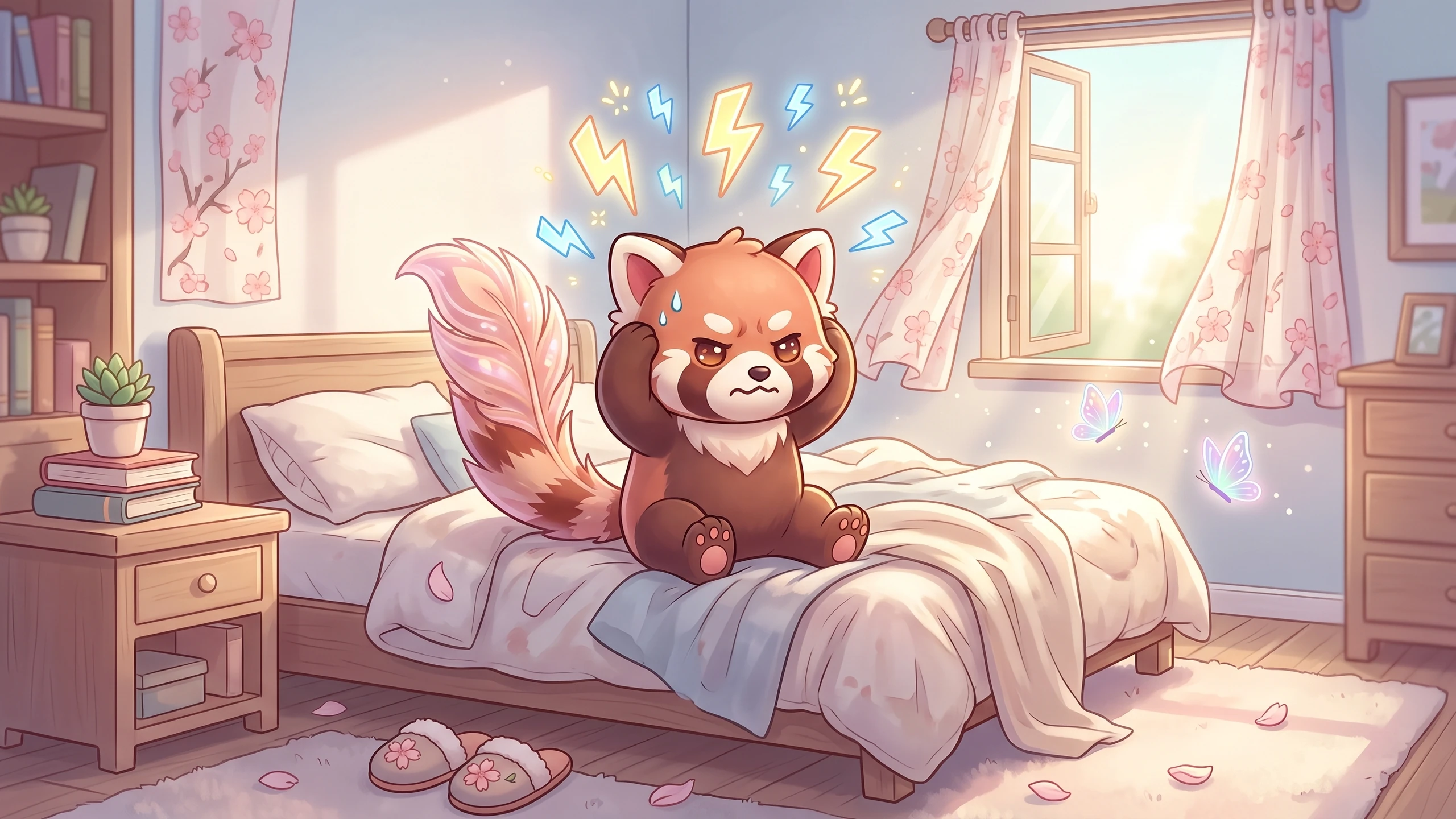
PMS covers a range of physical and emotional symptoms that appear cyclically during this phase. Among the most common mood-related symptoms, food cravings sit alongside mood swings, fatigue, and sleep disturbances. Frequent physical symptoms include breast tenderness, bloating, and headaches — a picture that NHS health teams describe as characteristic of this time of the month.
Appetite and food preferences can shift throughout the menstrual cycle. During the premenstrual phase in particular, these changes can show up as strong cravings for specific types of food — often high in sugar or fat — and a hunger that feels harder than usual to satisfy.
Why sweet and fatty foods are so appealing
Several mechanisms have been proposed to explain why cravings so often land on chocolate, sugary foods, or calorie-dense snacks rather than a green salad.
First, the hormonal fluctuations of the luteal phase influence the brain's reward systems. Highly palatable foods — rich in sugar and fat — trigger an immediate pleasure response, which can make them more sought-after during periods when mood is less stable.
Second, the body's energy expenditure shifts slightly depending on the phase of the cycle. During the luteal phase, resting metabolism tends to be a little higher than in the follicular phase — which can translate into objectively greater hunger. The increase is modest, but it's real.
Third, when mood is low, sleep is disrupted, or anxiety is present — all possible PMS symptoms — eating can become a way of regulating emotional state. That's not a character flaw; it's a coping mechanism many people experience at one point or another.
Does everyone go through this?
No. PMS, and the food cravings that can come with it, isn't universal. Some people notice nothing in particular before their period, others experience these symptoms intensely, and most fall somewhere in between — with cycles that can also vary from month to month.
What you experience may also change over time, with stress, sleep, or shifts in your life. Tracking your symptoms over two or three cycles can help you spot whether a pattern repeats. The Plumm app lets you track your cycle and add notes on how you're feeling day to day, including your appetite.
What you can actually do
There's no single answer here, and the suggestions below aren't cures — they're options to try depending on what works for you.
Eating at regular intervals helps avoid intense hunger spikes that amplify cravings. Skipping a meal in the days before your period can make the pull toward very sweet or fatty foods even stronger.
Including protein and fibre in meals and snacks slows sugar absorption and extends satiety — which can make cravings more manageable, without making them disappear entirely.
Not restricting yourself from what you want to eat. Thinking in terms of strict prohibition often backfires: the frustration intensifies the craving. If you want chocolate, eating a square mindfully is generally more satisfying than holding out for three days and then finishing the whole bar in one go.
Sleep matters: a short or restless night increases cravings for high-calorie foods the next day, regardless of where you are in your cycle. If insomnia before your period is also a struggle, the article on sleep problems before your period may be useful.
Physical activity can ease some PMS symptoms, including food cravings — though it's not a guarantee. If you notice you feel more tired during exercise at this point in your cycle, that's also documented and normal.
When to talk to a doctor
Intense premenstrual food cravings are sometimes a sign that PMS as a whole is having a significant impact. If you find that every month this period genuinely disrupts your daily life — eating, mood, relationships, work — it's worth bringing up with your GP or a midwife. There's no threshold you need to reach before seeking help: if it's bothering you, that's enough.
PMS can take many forms, and in the most severe cases it's known as premenstrual dysphoric disorder (PMDD). Medical support can help identify what's going on and offer appropriate options.